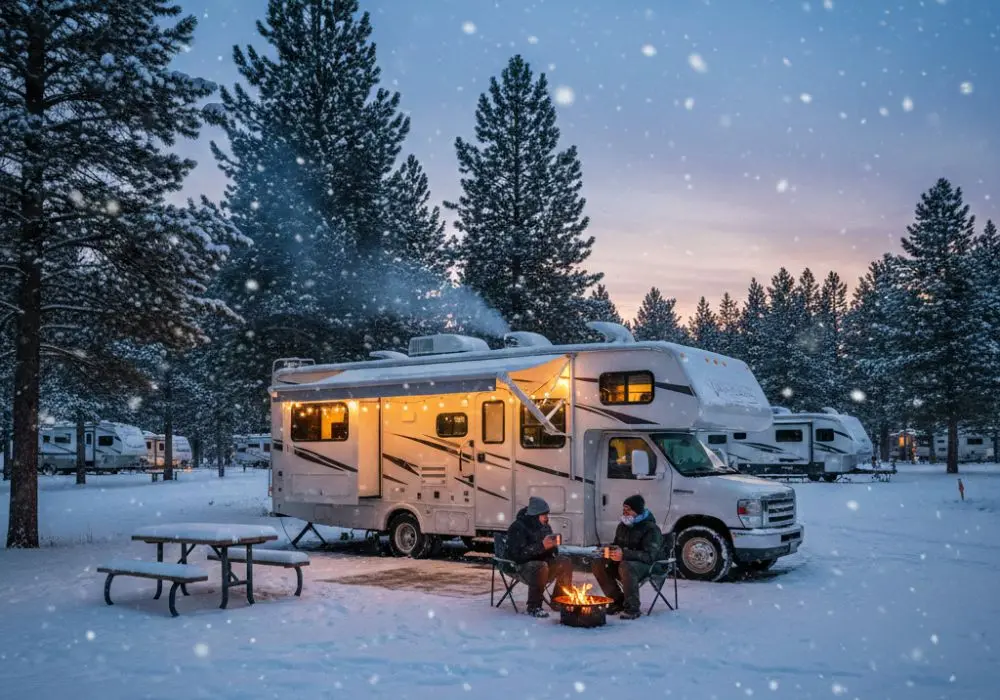
Winter RV camping offers peaceful campgrounds and some snow-dusted landscapes, but without the right gear, your adventure can quickly turn cold and uncomfortable. Staying warm and safe makes all the difference.
Campland on the Bay in San Diego offers year-round RV camping with milder winter conditions than most destinations, making it an ideal spot for both seasoned winter campers and those testing the off-season waters. With full hookups, modern amenities, and waterfront sites along Mission Bay, you can enjoy winter camping without extreme weather challenges while still experiencing the serene beauty of off-season travel.
Why Winter RV Camping Deserves a Spot on Your Adventure List
Winter RV camping isn’t just for hardcore outdoor enthusiasts—it’s become a favorite among travelers seeking peace, savings, and a different kind of natural beauty. The off-season transforms popular campgrounds into quiet retreats where you can truly unwind, and the crisp air brings clarity to coastal sunsets that summer’s haze often obscures.
Campgrounds that overflow with families in summer become peaceful havens in winter. You’ll find better site availability, lower rates, and a tight-knit community of fellow winter campers who tend to be experienced, friendly, and generous with camping tips. Wildlife becomes more visible against bare trees and quiet landscapes, and there’s something deeply satisfying about sipping hot cocoa inside your warm RV while rain patters on the roof outside.
Essential Climate Control and Heating Must-Haves
Staying warm is your number one priority during winter RV camping. While most RVs come equipped with heating systems, relying solely on your furnace can drain your propane quickly and leave you cold when temperatures really plummet.
Invest in a quality portable electric space heater as your primary heat source when you have electrical hookups—it’s more efficient and cost-effective than running your propane furnace constantly. Ceramic heaters with thermostats and tip-over protection offer safe, consistent warmth. Keep a backup propane heater rated for indoor use for times when you’re boondocking or if electrical service fails.
RV Skirting and Foam Insulation Kits: Keep Your Underbelly Warm
Winter RV camping comes with unique challenges, and one of the most critical areas to protect is your RV’s underbelly. Exposed pipes, tanks, and the floor of your RV are highly susceptible to cold temperatures, which can cause water lines to freeze, heating inefficiencies, and uncomfortable floors. One of the most effective solutions is RV skirting combined with foam insulation kits.
RV skirting blocks cold air and traps heat under your RV, protecting plumbing and keeping interiors warmer. Foam insulation kits add extra protection for pipes, tanks, and floors. For tips on choosing and installing skirting and insulation, check out Go RVing’s winter RV preparation guide. With the right setup, your RV stays cozy and your plumbing safe, letting you enjoy winter camping without the chill.
Water System Protection: Preventing Freeze Damage
Frozen pipes and burst water lines top the list of winter RV disasters. Protecting your water system isn’t optional—it’s essential to avoid thousands of dollars in repair costs and the misery of no running water in freezing weather.
Essential Tools and Tips to Keep Your Pipes Flowing
A heated drinking water hose is essential for winter camping, keeping water flowing even in freezing temperatures. Pair it with foam pipe insulation and heated tank pads for added protection, especially when used with RV skirting to trap heat underneath your rig.
Let a small stream of water drip from your faucets overnight when temperatures approach freezing—moving water is much harder to freeze than standing water. Keep cabinet doors open under sinks to allow warm air circulation around pipes. At Campland’s RV sites, full hookups and modern bathhouse facilities give you flexibility in how you manage your water systems during cooler San Diego winter nights.
Bedding, Clothing, and Personal Comfort Gear
Sleeping warm makes the difference between waking refreshed for winter adventures and spending a miserable night shivering under insufficient covers. Your RV’s bedroom gets coldest at night, especially if your floor isn’t properly insulated with skirting, so proper bedding becomes your cocoon of comfort.
Forget summer sleeping bags—winter RV camping calls for cold-weather bedding designed for the task. Start with flannel or fleece sheets, add a thick comforter rated for cold temperatures, and top it with a down or synthetic insulated blanket. Electric blankets with dual controls let couples customize their warmth levels without arguments.
Power, Lighting, and Battery Management
Winter camping taxes your RV’s electrical system more than summer travel. Shorter days mean more time running lights, while heaters and additional devices drain batteries faster in cold temperatures that already reduce battery efficiency.
At sites with hookups, like Campland on the Bay, use a surge protector to guard against power fluctuations. Bring heavy-duty, outdoor-rated extension cords for heaters and tank pads. Cold weather can cut battery capacity by up to half, so consider battery blankets or heating pads to keep your RV running smoothly.
Safety Equipment and Emergency Preparedness
Winter weather brings additional risks that require specific safety gear. Being prepared for emergencies isn’t paranoia—it’s responsible RV camping that keeps you safe when conditions deteriorate unexpectedly.
Install carbon monoxide detectors near sleeping areas, and keep a multi-purpose fire extinguisher handy. Winter camping increases propane use, so stock extra tanks. Bring tire chains, traction aids, emergency food, extra blankets, sleeping bags, and hand warmers to stay safe if heating systems fail or roads get icy.
Kitchen and Cooking Adaptations for Cold Weather
Cooking in your RV during winter requires different approaches than summer meal prep. Cold ingredients, propane management, and the desire for warming meals all factor into your kitchen planning.
Monitor propane closely and keep a spare tank on hand—winter use is high. Use an electric slow cooker or Instant Pot at hookups like Campland to save propane. Stock ingredients for soups, hot drinks, and warm cocktails, and insulate outside compartments to prevent freezing.
Destination Spotlight: Winter RV Camping at Campland on the Bay
While this packing list prepares you for winter RV adventures anywhere, choosing the right destination makes your first off-season trip far more enjoyable. Campland on the Bay in San Diego offers an ideal introduction to winter camping with mild weather and full amenities.
San Diego winters are mild, with daytime highs in the mid-50s to mid-70s and nights rarely below the 40s, reducing the need for extensive skirting or insulation. Campland offers full hookups, group discounts for 10+ sites, and a peaceful off-season atmosphere ideal for outdoor activities and privacy.
Pack Smart, Camp Comfortable: Your Winter Adventure Awaits
Winter RV camping rewards prepared adventurers with peaceful campgrounds, stunning seasonal beauty, and the satisfaction of mastering off-season travel. With the right gear—from heated water hoses and proper insulation to RV skirting that protects your underbelly—you’ll stay warm and comfortable while discovering why experienced RVers consider winter their favorite camping season.
Ready to experience winter RV camping in an ideal setting? Campland on the Bay offers year-round camping with full hookups, modern amenities, and San Diego’s comfortable winter climate—perfect for your first off-season adventure or as a peaceful winter retreat. Call us now (858) 422-9386 to reserve your waterfront RV site and discover why winter camping might just become your new favorite season for hitting the road.
FAQs
What temperature is too cold for RV camping?
Most RVs can handle temperatures down to 20°F if properly winterized with skirting, insulation, and adequate heating. However, comfort levels vary—many campers find temperatures below freezing challenging without significant preparation. Coastal destinations like Campland on the Bay offer winter camping in the 40s-60s range, providing off-season benefits without extreme cold challenges.
Do I need RV skirting for all winter camping trips?
If you’re camping in temperatures consistently below 40°F, RV skirting becomes essential for protecting water systems and maintaining comfortable interior temperatures. For milder winter destinations where temperatures stay above freezing, skirting is less critical but still beneficial. As detailed in Go RVing’s winter preparation guide, proper skirting combined with foam insulation kits provides the best protection for serious cold-weather camping. You do not need skirting for camping at Campland on the Bay.
How much propane will I use during winter RV camping?
Winter propane consumption typically doubles or triples compared to summer usage. A 30-pound tank might last 3-4 days when running a furnace regularly in cold weather. If you’re camping at sites with electrical hookups and using electric heaters as your primary heat source, propane lasts much longer. Proper insulation and skirting significantly reduce propane consumption by minimizing heat loss.
Can I use my RV’s air conditioner in reverse for heat?
Many modern RVs have heat pumps that function as both air conditioners and heaters. These work efficiently in mild winter conditions (above 40°F) but become less effective as temperatures drop. They’re perfect for coastal winter camping but shouldn’t be your only heating source in freezing climates.
Should I winterize my RV even if I’m using it all winter?
If you’re actively camping and using your water systems with protection against freezing (heated hoses, tank heaters, skirting, etc.), you don’t need to winterize. However, if you’re storing your RV between winter trips in freezing conditions, proper winterization is essential.
What’s the best way to prevent condensation in my RV during winter?
Combat condensation by running vent fans periodically to exchange humid air with dry outside air, using a dehumidifier, and opening roof vents slightly even in cold weather. RV skirting helps by keeping your floor warmer, which reduces the temperature differential that causes condensation.
Where can I find RV-friendly winter camping destinations with full amenities?
Coastal areas with mild winters offer the best combination of off-season atmosphere and comfortable conditions. Campland on the Bay in San Diego provides year-round RV camping with full hookups, heated pools, and waterfront sites where you can enjoy winter camping without extreme preparation requirements. Campland also has a sister property in Newport Beach called Newport Dunes Waterfront Resort and Marina.